The Part Nobody Makes Any More
Every plant has one. A gear, a bushing, a bracket or a valve component on a machine that still runs well, made by a company that stopped supporting it years ago. While it works, nobody thinks about it. When it wears out, it becomes the most important part in the building.
The usual options are not good ones. You hunt for second-hand or 'new old stock' of unknown condition. You pay for a redesign of a whole assembly to fit a part that is still available. Or the machine sits idle while you search.
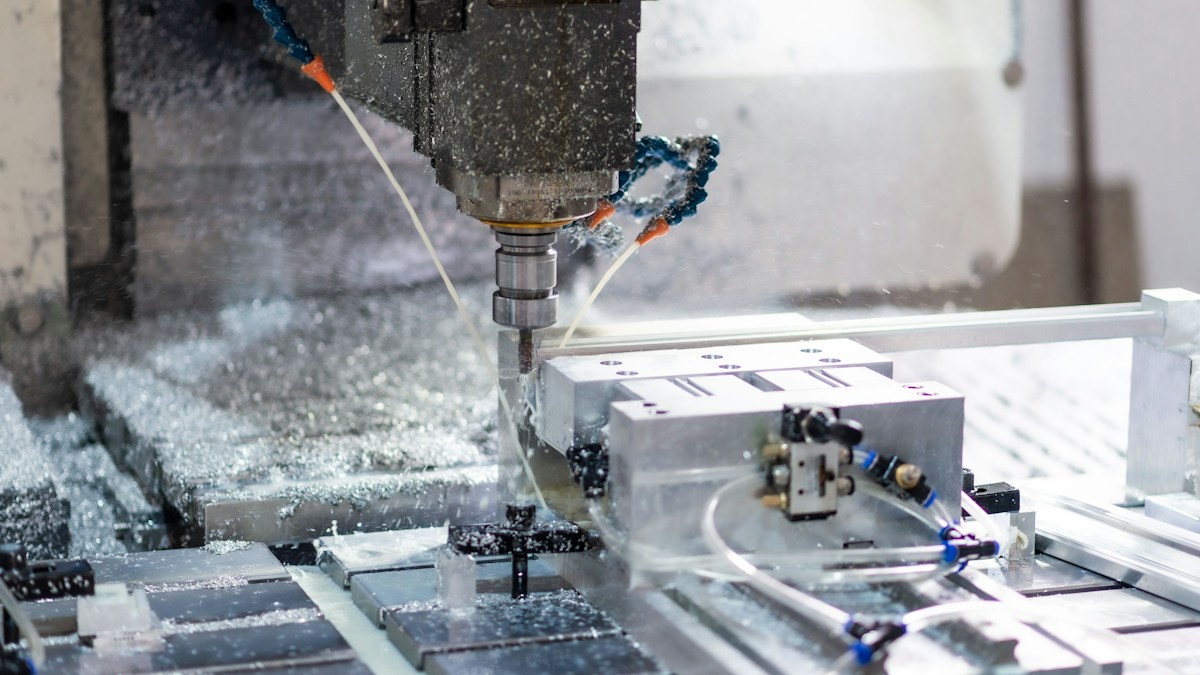
There is a fourth option that many maintenance teams overlook: have the part remade. Most mechanical parts can be manufactured again from a drawing, a worn sample or good photos with measurements, by CNC turning, milling and the other standard machining processes. The key is giving the manufacturer the right information, and checking the right things before the batch ships.
Step 1: Send What You Have
You do not need a perfect drawing to start. Any of these is enough to begin a quote:
- A drawing. PDF, DWG, DXF, STEP or IGES. Old paper drawings scanned to PDF are fine, even if the title block is from a company that no longer exists.
- A worn sample. The original part, even if it is broken or worn. It shows the geometry, and often the material and finish.
- Photos with key measurements. Clear photos from several angles, with a ruler or caliper in shot, plus the critical dimensions: bore, outside diameter, length, thread size, tooth count and pitch for gears.
Step 2: Tell Us How the Part Lives
The geometry is only half the story. A part that measures right can still fail early if it is made from the wrong material or with the wrong finish. Before quoting, a good manufacturer will want to know:
- Where it is used. Which machine, which assembly, and what it mates with.
- What it does. Carries load, transmits torque, seals, guides or insulates.
- The working conditions. Speed, temperature, contact with water, chemicals, food or abrasive dust.
- Material, if known. Carbon or alloy steel, stainless steel, aluminium, brass, bronze, or engineering plastics such as POM, nylon, PTFE or PEEK.
- Quantity. One replacement, a few spares for the shelf, or a small batch.
Step 3: Agree the Critical Dimensions Before Production
When a part is reverse-engineered from a worn sample, the sample is not the specification. Wear changes the dimensions that matter most. A bore that has opened up or a shaft that has worn undersize should not simply be copied.
That is why the most important step happens before any metal is cut:
- Identify the dimensions that control fit: bores, shafts, threads, bearing seats, mounting holes and gear profiles.
- Agree the nominal size and tolerance for each one, based on the mating parts, not just the worn sample.
- Confirm heat treatment, hardness and surface finish where they matter.
- Get a technical drawing back for approval, so you have a record for next time.
Step 4: Prototype First When Fit Is Critical
For a single simple part, you may go straight to production. For anything with tight fits, gears, or several mating parts, ask for one piece first. Fit it, run it, then release the rest of the batch.
The extra cost of a first piece is usually small compared with a batch of spares that does not fit, or a machine that is stopped while replacement parts are remade.
Step 5: Inspect Before It Ships
A remade part is a custom part, so it deserves the same checks as any custom order. Before shipment, ask for:
- A dimensional report against the agreed drawing, covering every critical dimension.
- Material confirmation and, where relevant, hardness results.
- Photos of the finished parts, including threads and mating faces.
- Packing that protects machined surfaces in transit.
Common Mistakes to Avoid
- Copying a worn sample exactly. You get a new part with old wear built in.
- Leaving the material to chance. Always confirm the material in the quote and on the inspection report.
- Ordering one when you need three. If a part has failed once, it will fail again. Small batches of spares are often cheaper per piece than repeated one-off orders.
- Not keeping the drawing. Make sure you receive the final approved drawing for your records.
How LS International Can Help
At LS International Group, we work with verified CNC and precision machining manufacturers to remake obsolete and discontinued parts from drawings, samples or photos, in metal and engineering plastics. Minimum quantities are low, from a single replacement part to a small batch. Every order is inspected before shipment, and we deliver worldwide from our branches in China, the UK, Saudi Arabia, Brazil and Australia.
Send us what you have and we will come back with a quote within 48 hours, covering price, material, lead time and the inspection plan. See how it works on our obsolete and discontinued parts page, or request a free quote today. You can also email your drawing or photos to warren@lsintgroup.com.