
Introduction
After more than a decade facilitating trade between international buyers and Chinese manufacturers, I've seen the same mistakes repeated over and over. These mistakes cost businesses time, money, and sometimes their entire investment. The good news? Every single one is avoidable with proper preparation.

Here are the top 10 mistakes we see — and exactly how to avoid them.
Mistake #1: Choosing the Cheapest Supplier
The Problem: A buyer receives quotes from five suppliers. One is 40% cheaper than the others. They choose that supplier. Six weeks later, the goods arrive — and they're unusable. Why It Happens: Low prices often mean corners are being cut: inferior materials, lack of quality control, or hidden costs that appear later. How to Avoid It:- Get 3-5 quotes and eliminate outliers (both highest and lowest)
- Request samples from all shortlisted suppliers
- Check what certifications the supplier holds
- Ask: "Why are you cheaper than the others?" — legitimate suppliers will explain their efficiency
- Remember: A 10% price difference is normal; a 40% difference is a red flag
The Real Cost: We've seen buyers lose $50,000+ in defective goods because they chose the cheapest option. A slightly higher unit price from a reliable supplier is always cheaper than a container full of unusable products.Mistake #2: Not Ordering Samples
The Problem: A buyer sees great product photos on Alibaba, places a $30,000 order, and receives goods that look nothing like the photos. Why It Happens: Professional product photos can be misleading. Materials, finishes, colors, and functionality can differ significantly from what's shown online. How to Avoid It:- Always order samples before mass production
- Test samples thoroughly — use them, stress-test them, compare to your specifications
- Keep the approved sample as your "golden sample" for production comparison
- For large orders, consider visiting the factory in person
Cost of Samples: $50-200 per sample is a tiny investment compared to the cost of a bad batch.Mistake #3: Skipping the Factory Audit
 The Problem: A supplier claims to have 500 workers and 10 production lines. In reality, they outsource to a 20-person workshop with no quality control.
Why It Happens: Not all suppliers on B2B platforms are manufacturers. Some are trading companies posing as factories. Others are much smaller than they claim.
How to Avoid It:
- Request a video factory tour via WeChat or WhatsApp
- Hire a third-party inspection company for an independent audit ($300-500)
- Check their business license and registration
- Ask for specific details: "How many CNC machines do you have?" — vague answers are red flags
- Use LS International's factory audit service for on-site verification
Mistake #4: Vague Product Specifications
The Problem: A buyer orders "stainless steel water bottles" without specifying the grade of stainless steel, wall thickness, or lid mechanism. The result? Bottles that rust and lids that leak. Why It Happens: Buyers assume suppliers know what they want. In reality, "standard" means different things to different factories. How to Avoid It:- Create a detailed Product Specification Sheet
- Specify materials with exact grades (e.g., "304 food-grade stainless steel")
- Include dimensions with tolerances (+/-0.5mm)
- Attach reference photos or drawings
- Define colors using Pantone codes, not descriptions like "dark blue"
Mistake #5: Ignoring Quality Control
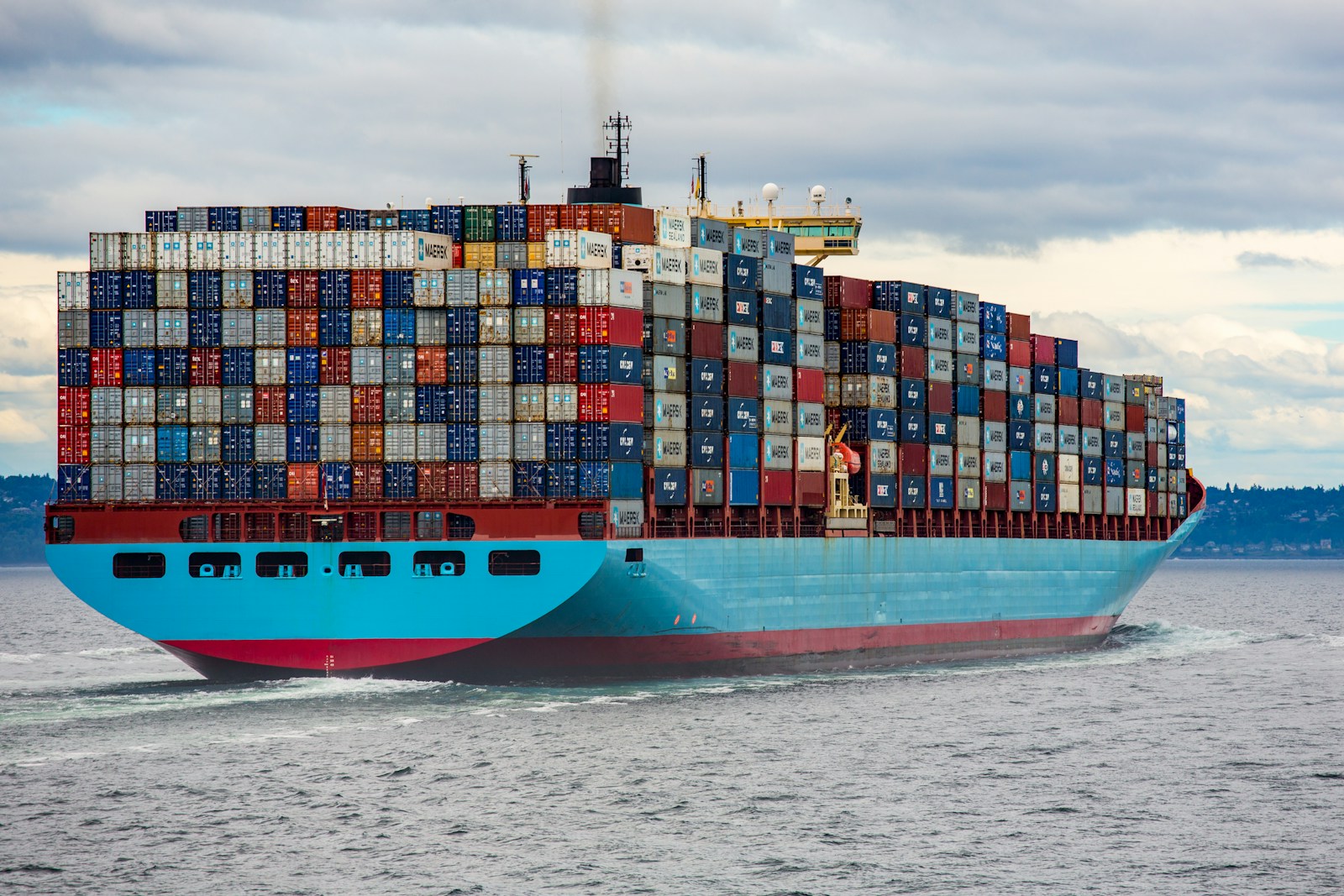 The Problem: Goods arrive at the port, the buyer pays the balance, and upon opening the container, discovers 30% of products are defective.
Why It Happens: Many buyers assume the supplier will handle quality. Chinese factories produce what you specify and inspect to the level you require. Without explicit QC requirements, standards slip.
How to Avoid It:
- Conduct pre-shipment inspection (PSI) — never skip this
- Use AQL (Acceptable Quality Limit) standards: AQL 2.5 for consumer goods
- Hire third-party inspectors for large orders ($200-400 per inspection)
- Include quality requirements and penalties in your contract
- Inspect a percentage of goods upon arrival
Mistake #6: Poor Communication
The Problem: Misunderstandings about product specifications lead to an entire production run being scrapped. Why It Happens: Language barriers, cultural differences in communication styles, and assumptions about what's "obvious." How to Avoid It:- Be extremely specific — write everything down
- Use photos, diagrams, and reference samples
- Confirm understanding: "Can you confirm you will use 304 stainless steel, not 201?"
- Use simple English — avoid idioms, slang, and complex sentences
- Put everything in writing — verbal agreements are easily forgotten
Mistake #7: Not Having a Written Contract
 The Problem: A disagreement arises about delivery timeline. The buyer thought it was 30 days; the supplier thought it was 60. There's no written agreement to reference.
Why It Happens: In the excitement of a new supplier relationship, formal contracts seem unnecessary. Chinese business culture also emphasizes trust over paperwork.
How to Avoid It:
- Always have a written Purchase Order with clear terms
- Include: product specs, quantities, pricing, payment terms, delivery timeline, quality standards, penalties for defects/delays
- Have the supplier sign and stamp (chop) the document
- Use Alibaba Trade Assurance for additional protection
Mistake #8: Unrealistic Timelines
The Problem: A buyer needs products for a Christmas launch. They place the order in October, expecting 4-week production. The factory needs 6 weeks, plus 3 weeks shipping. Christmas is missed. Why It Happens: Buyers underestimate production time, especially during Chinese holidays (Chinese New Year, National Day Golden Week). How to Avoid It:- Plan for 2-4 months from first contact to delivery
- Add buffer time for samples, revisions, and production
- Avoid placing orders during Chinese New Year (January/February)
- Ask suppliers directly: "What is your current production lead time?"
- Book shipping in advance — container shortages happen
Mistake #9: Not Understanding Incoterms
The Problem: A buyer agrees to EXW pricing thinking it includes shipping to the port. It doesn't. Unexpected costs add $3,000 to their budget. Why It Happens: International trade terms (Incoterms) are confusing. Buyers and suppliers may have different understandings of who's responsible for what. Common Terms:- EXW — You handle everything from the factory door
- FOB — Supplier delivers to port; you handle ocean freight
- CIF — Supplier delivers to your destination port
- DAP — Supplier delivers to your door (most expensive from supplier)
How to Avoid It:- Know your Incoterms before negotiating
- Get quotes in multiple terms to compare apples to apples
- Factor in all costs: product, shipping, insurance, duties, customs clearance
- Work with a freight forwarder for accurate shipping quotes
Mistake #10: No Backup Plan
The Problem: A reliable supplier of 3 years suddenly closes. The buyer has no alternative and loses 6 months scrambling to find a replacement. Why It Happens: Complacency. When things are going well, it's easy to stop looking at alternatives. How to Avoid It:- Maintain relationships with 2-3 suppliers per product category
- Regularly check the market for new options
- Diversify — don't rely on a single supplier for 100% of your needs
- Keep supplier audit reports updated
Final Thoughts

Every mistake on this list has a common theme: preparation prevents problems. The buyers who succeed in China are those who invest time upfront in verification, documentation, and relationship building.
The cost of prevention is always less than the cost of correction.
Want expert help avoiding these mistakes? Get a Free Sourcing Quote — tell us what you're looking for and we'll match you with verified manufacturers within 48 hours.*Warren Smith is the co-founder of LS International, helping businesses navigate Chinese manufacturing.*